 +3
+3 Interview with Catherine Opie: The Pause That Dreams Against Erasure
The countdown is on: in one year, documenta 16 will begin, and artistic director Naomi Beckwith will take the curatorial helm, not only behind the scenes but also visibly in the city. One of the tasks and privileges of the documenta management is that she will “take over” the Fridericianum, the traditional center of the world art exhibition, as temporary hostess at the beginning of 2027.
But before documenta opens its doors on June 12, 2027, two exciting, complex exhibitions will be on view at the Fridericianum: two exhibitions of art from the USA. As the curatorial team of Jasmin Meinold and Moritz Wesseler emphasizes, both the photographic artist Catherine Opie (opening on February 13) and the sculptor and documenta 9 participant Charles Ray (opening on August 22) are presenting their first “institutional solo exhibitions” in Kassel.
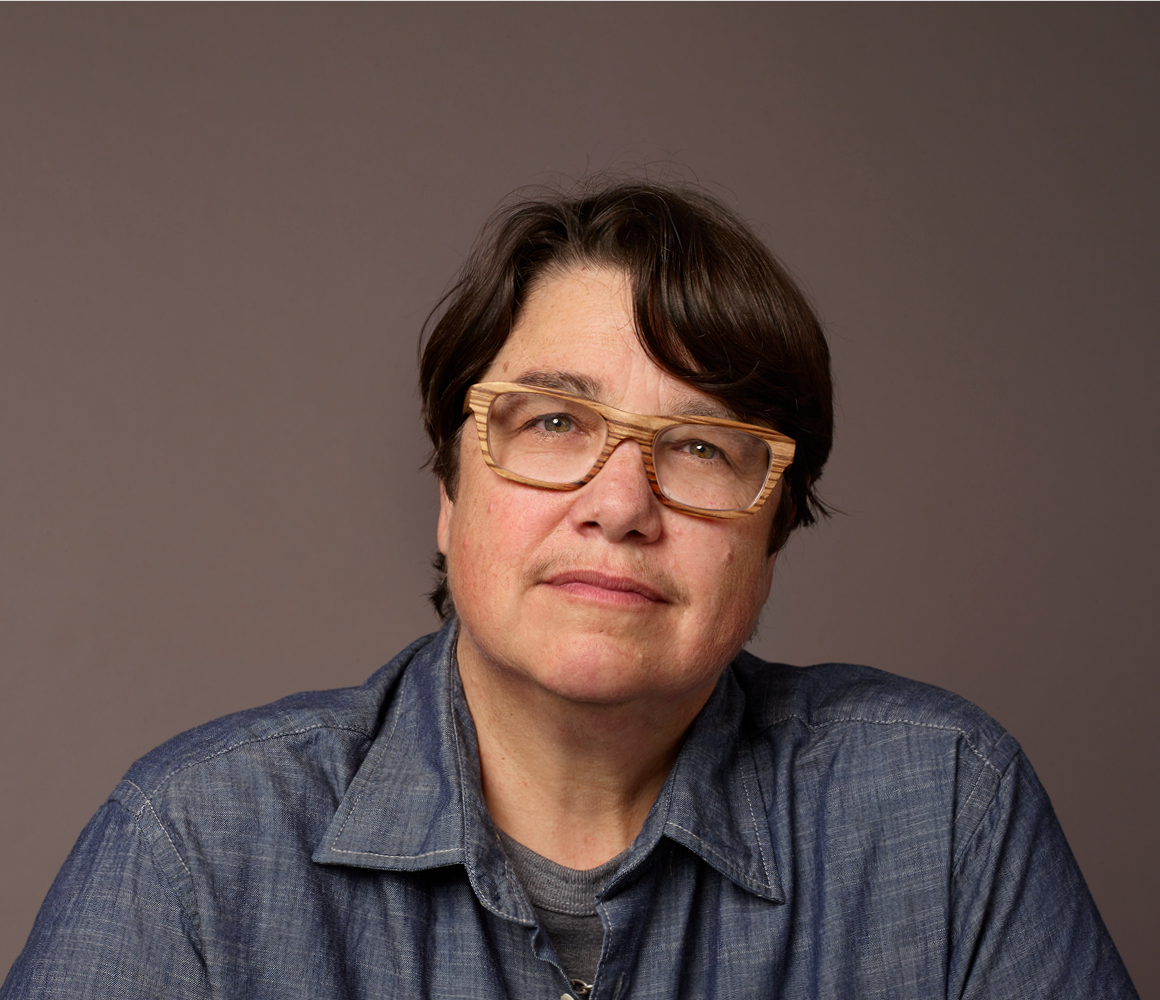
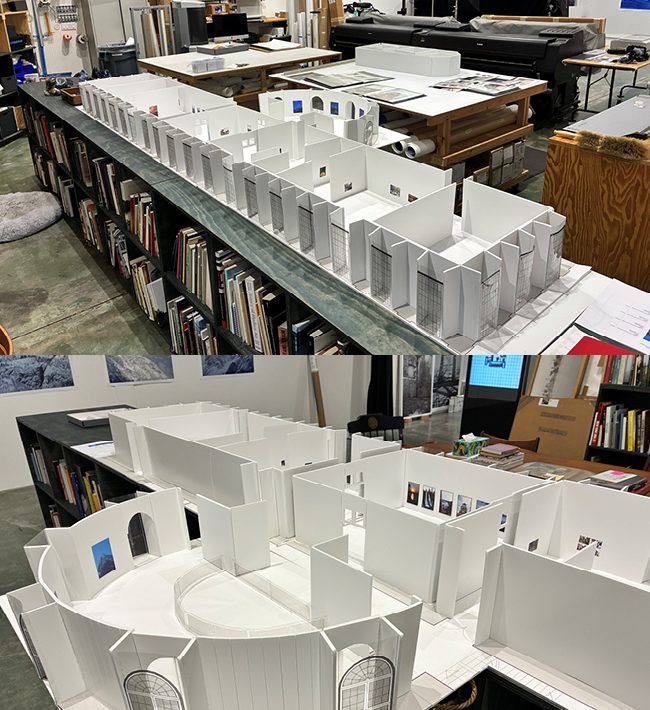
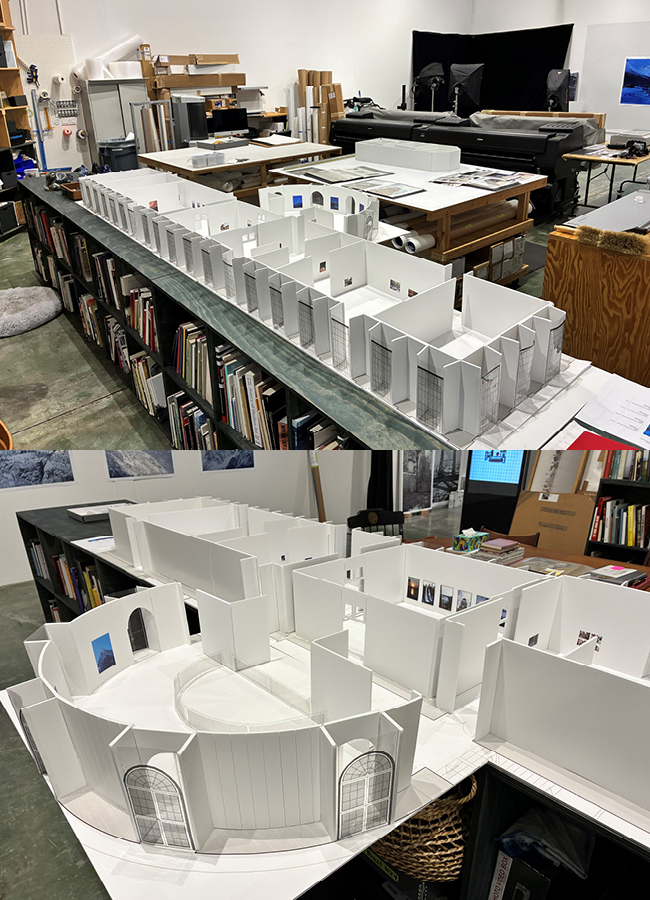
As Catherine Opie explains in a lively conversation with Mein Kassel, she prepared for her exhibition with “great joy.” She says she approaches the first German museum and later epicenter of documenta with respect. Using an interior model, she meticulously prepared the hanging and presentation of her approximately 65 works for the exhibition “The Pause That Dreams Against Erasure” in her studio in California.
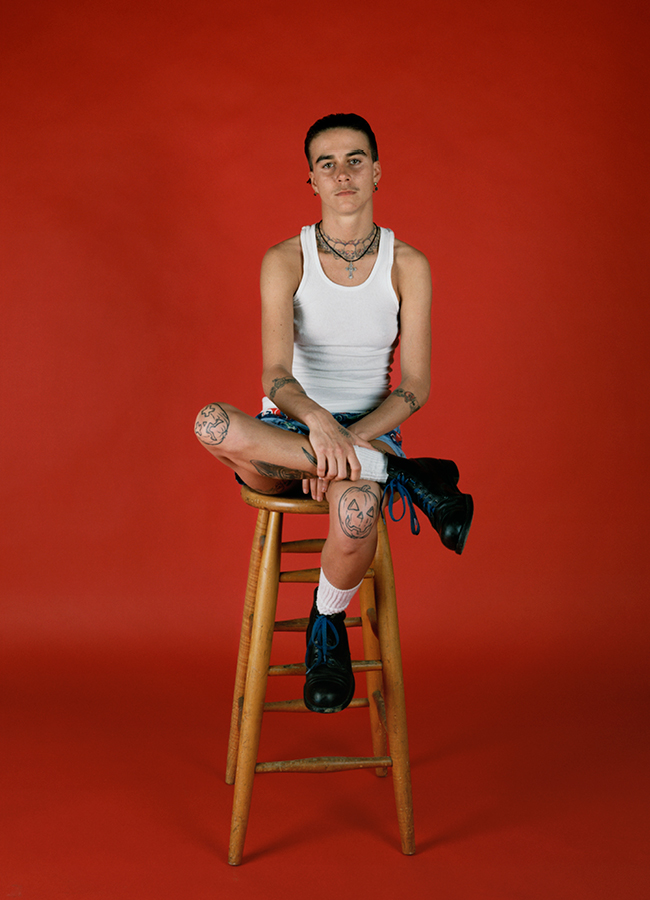
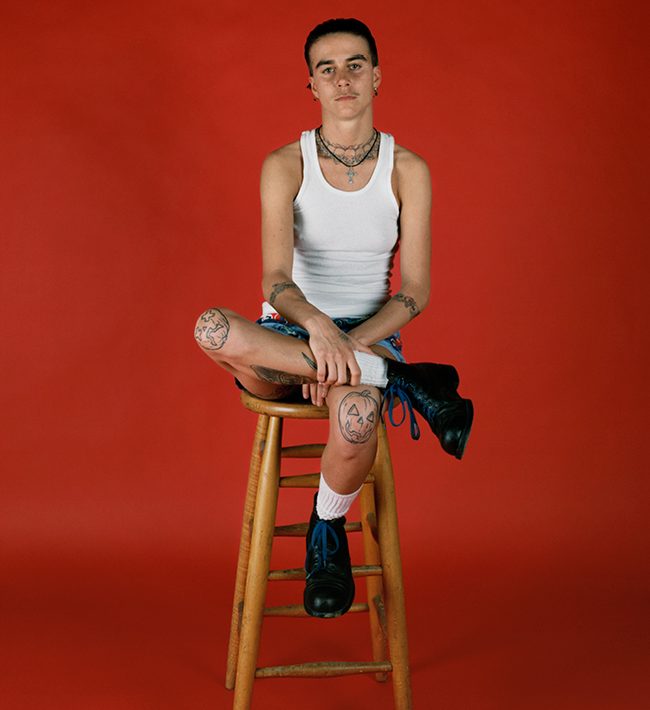
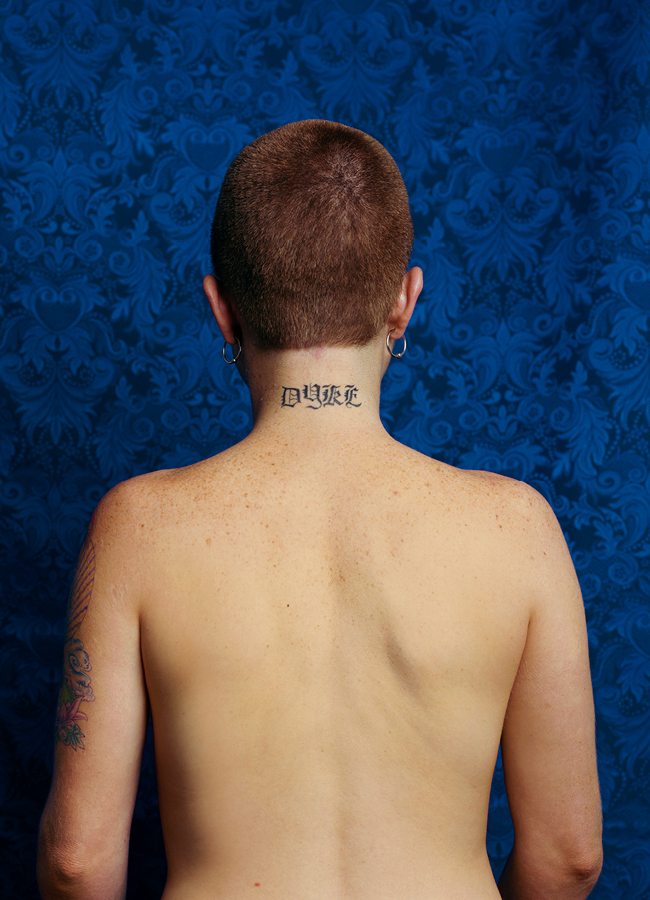
With her activist-inspired works, the former professor of photography at the University of California in Los Angeles, born in Sandusky, Ohio, in 1961, stands in the “tradition of 20th-century socially oriented documentary photography,” where she occupies “one of the most influential positions of the present day,” as the announcement states. Catherine Opie’s art explores what defines a person, what shapes them, and how they relate to their environment.
In a personal interview with MEIN KASSEL, Catherine Opie provided insight into her way of thinking and working:
On February 13, “The Pause That Dreams Against Erasure” will open at the Fridericianum. What does the exhibition mean to you?
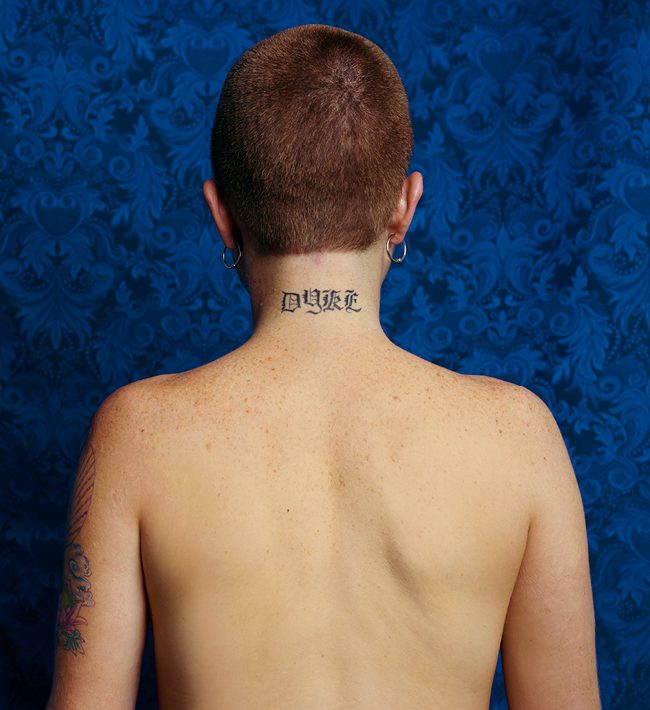
It is my first major institutional solo exhibition in Germany. It brings together works from around three decades. It was important to me that the exhibition respond directly to the situation in the US today. It deals with utopian and dystopian thinking, with binaries and how these concepts affect “body politics” today.
The title (translated: Die Pause, die gegen das Auslöschen träumt) reflects political and personal questions that run through my work: the body, identity, and the question of whether binary ways of thinking still work or whether they have become destructive. At the same time, it’s about not giving up on the possibility of hope. The utopian and the dystopian are like two poles between which our present moves. I wanted to make this tension visible.
The exhibition is conceived as a site-specific installation. What role does the Museum Fridericianum play in the conception of your exhibition?
A very big one. The Fridericianum was the first museum building in Germany and carries with it both the weight of its classical architecture and the postwar history of documenta. This history of representation, politics, and also controversy is always present here. I am interested in these layers of power, history, and space and how deeply they are inscribed in the walls of this building. Kassel thus represents the question of how utopian ideas manifested and changed after the Second World War.
I am very aware that I am bringing an American perspective to this space. My family history goes back to the early colonial period, but as a lesbian, queer person, I have always experienced American history as contradictory. This tension is central to the exhibition. The colonial legacy, the idea of a new beginning, the dream of utopia—I want to relate all of this to our often dystopian realities today.
You worked with a model of the museum and visited Kassel yourself to see the building. How did that influence your work?
Very strongly. I was in Kassel last March and was able to get an impression of the building’s architecture for myself. This physical experience was crucial in understanding the spatial dramaturgy of the exhibition and considering how visitors move through the rooms.
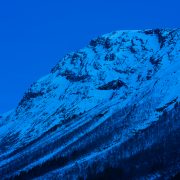
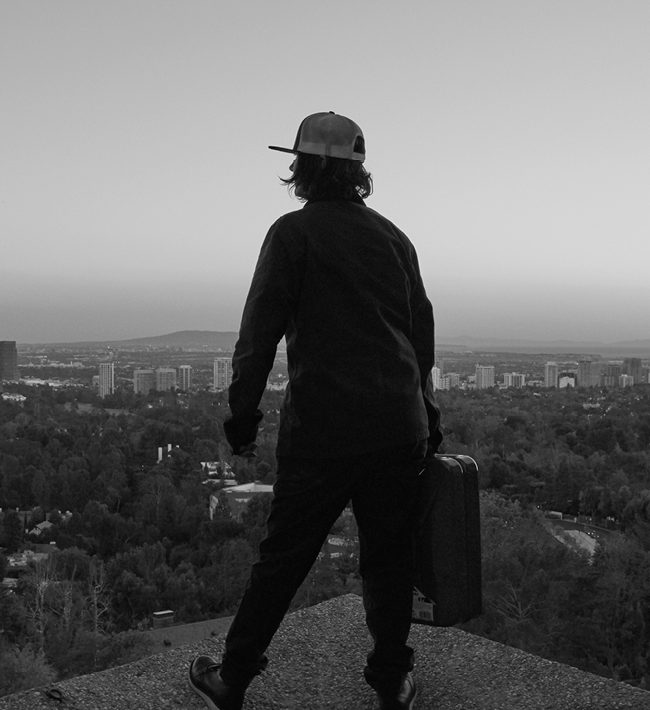
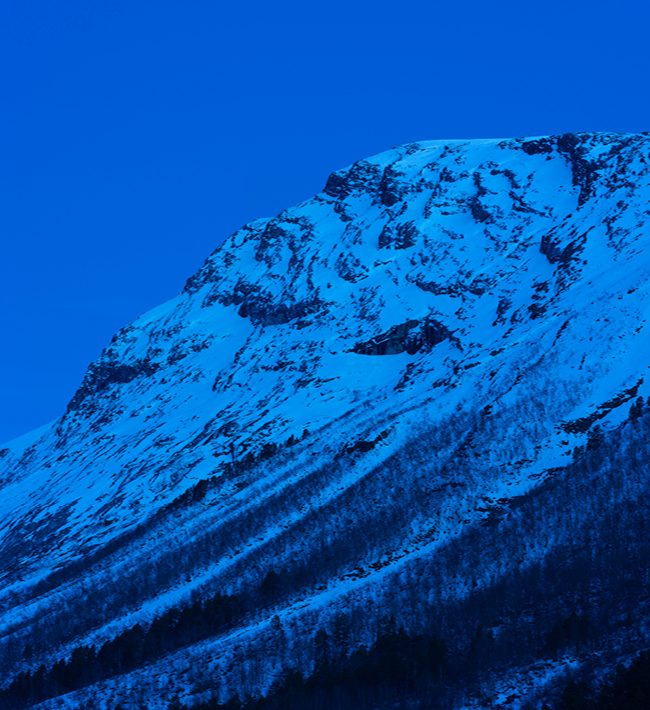
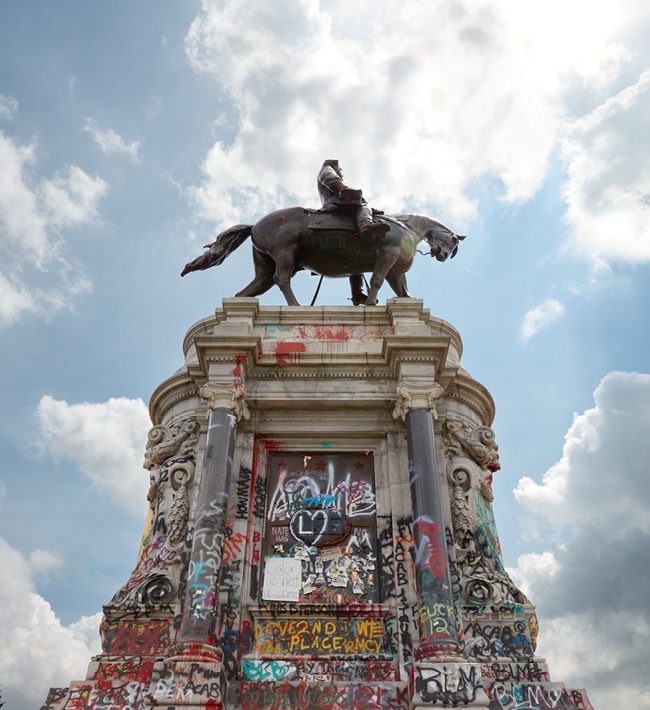
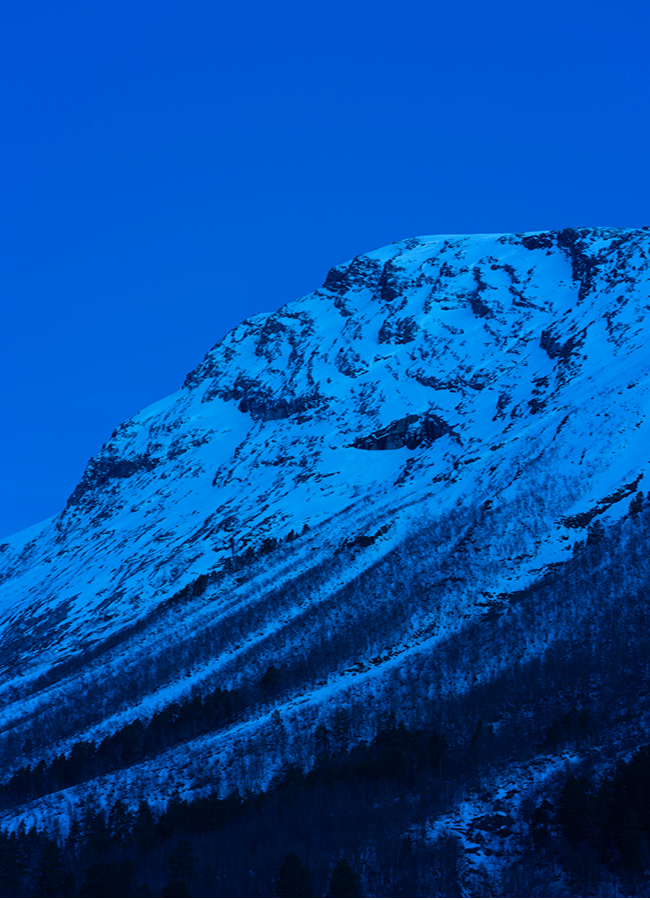
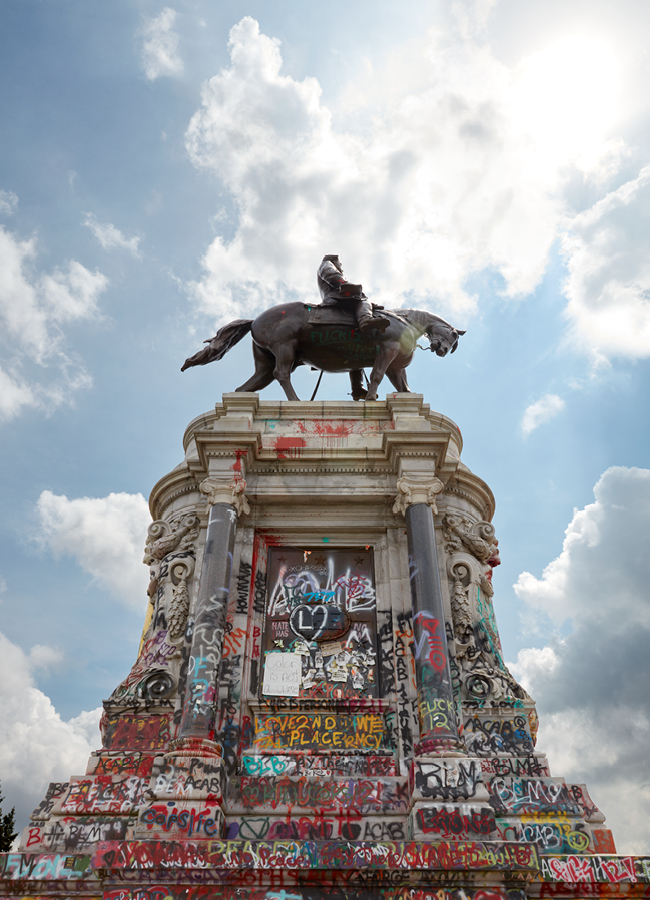
The exhibition begins with photographs of blue mountains that I took in Norway—I see them as portraits of independent, sentient beings. From there, it leads to works that deal with Black Lives Matter and monuments, before opening up into two wings: one with a stronger focus on queer portraits and modernist references, the other on landscape and “body politics.”
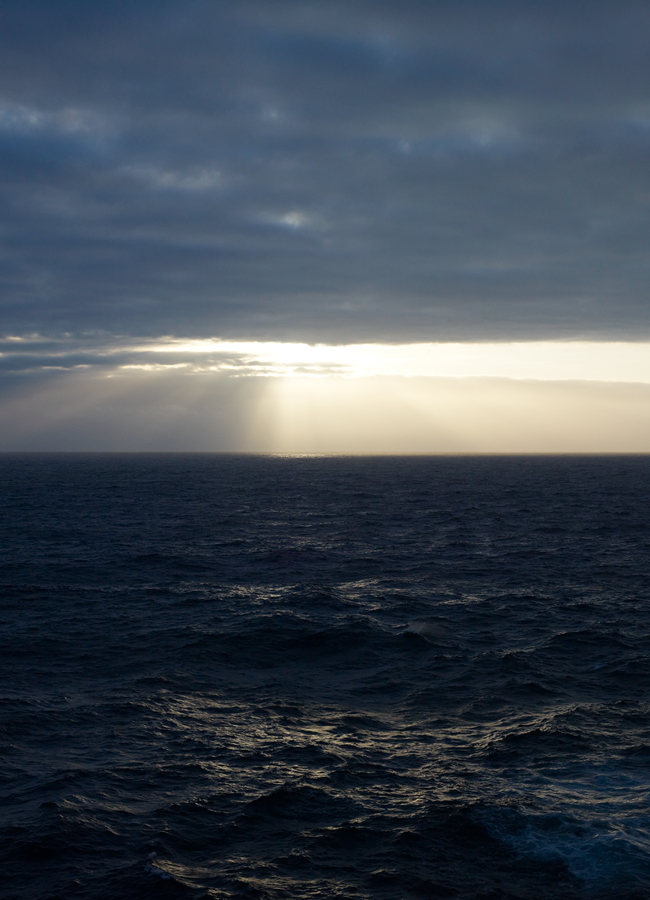
This arrangement tells of our relationship to nature, community, and identity, and how we as a society deal with destruction. In the end, it all boils down to one question: Will nature survive us? I hope so.
You are exhibiting photographic works spanning several decades. Do you see a development in them?
Yes, but not a linear one. My work responds to the respective era. I came out in the early 1980s, experienced the AIDS epidemic, and was part of movements such as ACT UP and Queer Nation. These experiences have fundamentally shaped my thinking about politics, visibility, and representation.
Today, in my mid-sixties, I am interested in a different position, perhaps that of an elder, with a different kind of energy and responsibility. I sometimes call it my “witchy elder phase,” a state in which the political and the spiritual come together. My latest works are created at night near Sequoia National Park, where I photograph trees that are slowly dying. These encounters with nature are a form of mourning and resistance for me.
Your work is often described as political. How do you see this aspect yourself?
For me, “bearing witness” is central, but I don’t see myself as a journalist. When I photograph protests or political events, it stems from a documentary impulse that later transforms into metaphorical images.
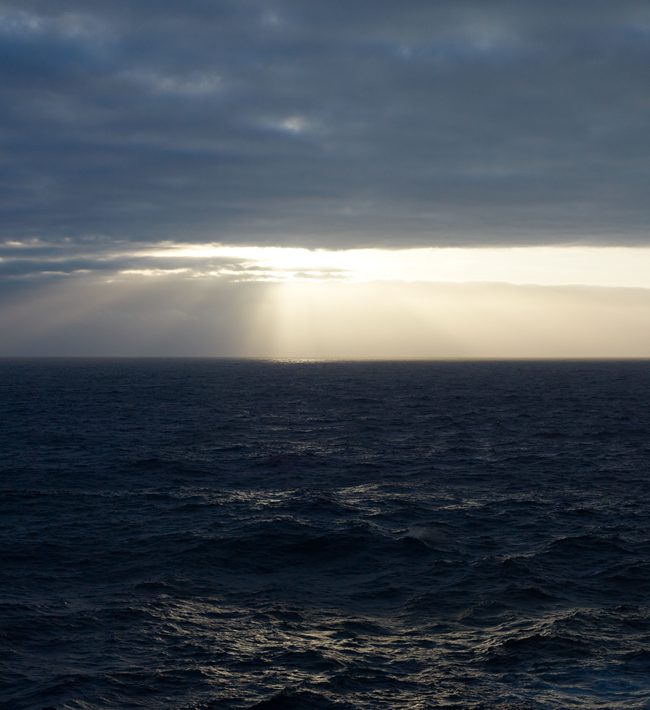
I am currently staying at my vacation home near Sequoia National Park, where I spend my nights taking pictures of slowly dying trees with a large-format camera. These images are also political, but in a poetic way. They deal with vulnerability, loss, and resilience.
I observe what is happening around me without illustrating it—I translate it into visual language. Like a good writer, I write with light instead of words.
How does the current political situation in the US affect you and your work?
It’s extremely stressful. There’s a constant feeling of uncertainty, and many things seem to be getting worse rather than better. I find it particularly disturbing how much this situation has become normalized and how many people actively support it.
I observe the political camps very closely to understand how language and truth are shifting. What surprises me is not the hatred, but how quickly loyalty has been placed above the law. This post-factual reality is extremely dangerous for democracy.
This reality inevitably flows into my work. The challenge is to translate it into images that allow for complexity rather than just reacting to the next news cycle. I don’t want to illustrate anything, but rather create spaces where reflection becomes possible again.
The next documenta exhibition starts in a year. Before that, your work will be on display at the Fridericianum. How do you perceive this context?
I know Naomi Beckwith, the new director of documenta, and hold her in high regard. The fact that I now have the opportunity to exhibit my work on the entire upper floor of the Fridericianum feels like a strong presence. I see it as an opportunity to make my own contribution to the discourse in Kassel, independent of the large format of documenta. Perhaps a quiet dialogue will develop between my exhibition and the upcoming edition of documenta.
Your exhibition can be described as sustainable. You are also responding to the increasingly difficult production conditions for artists.
That’s right. Budgets for art are shrinking everywhere, including in Germany. We therefore decided to produce the exhibition prints in Los Angeles, frame them in Germany, and then donate the frames to other institutions. This allows resources to circulate—a small contribution against ecological waste and for solidarity among artists.
We have to find new ways for art to exist internationally without always flying everything around the world. The Pause That Dreams Against Erasure is also an attempt to work in a more sustainable and conscious way.
You will be in Kassel for the opening. What are you particularly looking forward to?
I am very much looking forward to being there and experiencing how the works work in this specific context. Kassel has such a charged art-historical significance, and I am excited to experience the exhibition together with the audience.
I will also travel to Berlin and London—where I will open a show at the National Portrait Gallery shortly thereafter—but Kassel is the starting point. What fascinates me about Kassel and Germany is the seriousness with which photography is viewed here. The German tradition of photographic practice is deep, and I feel I am in good company.